

“I didn’t do it.”
For five years, Ramira had repeated those words until they lost their shape, until even her own voice sounded distant, like the truth no longer belonged to her but to a story no one wanted to hear. By the time they granted her one final visit with her daughter, she had stopped trying to convince anyone and held onto those words only as something she needed to remember for herself.
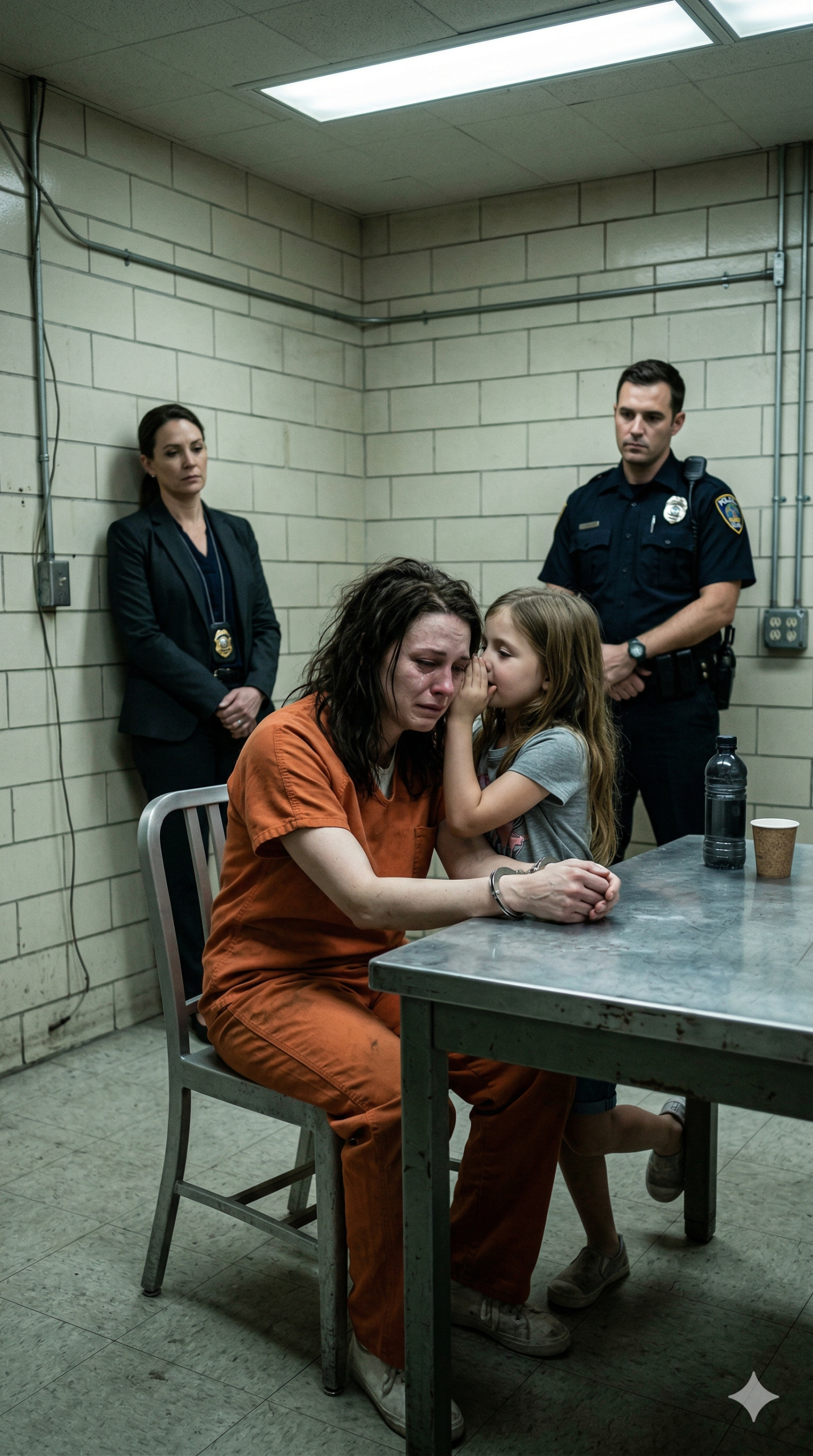
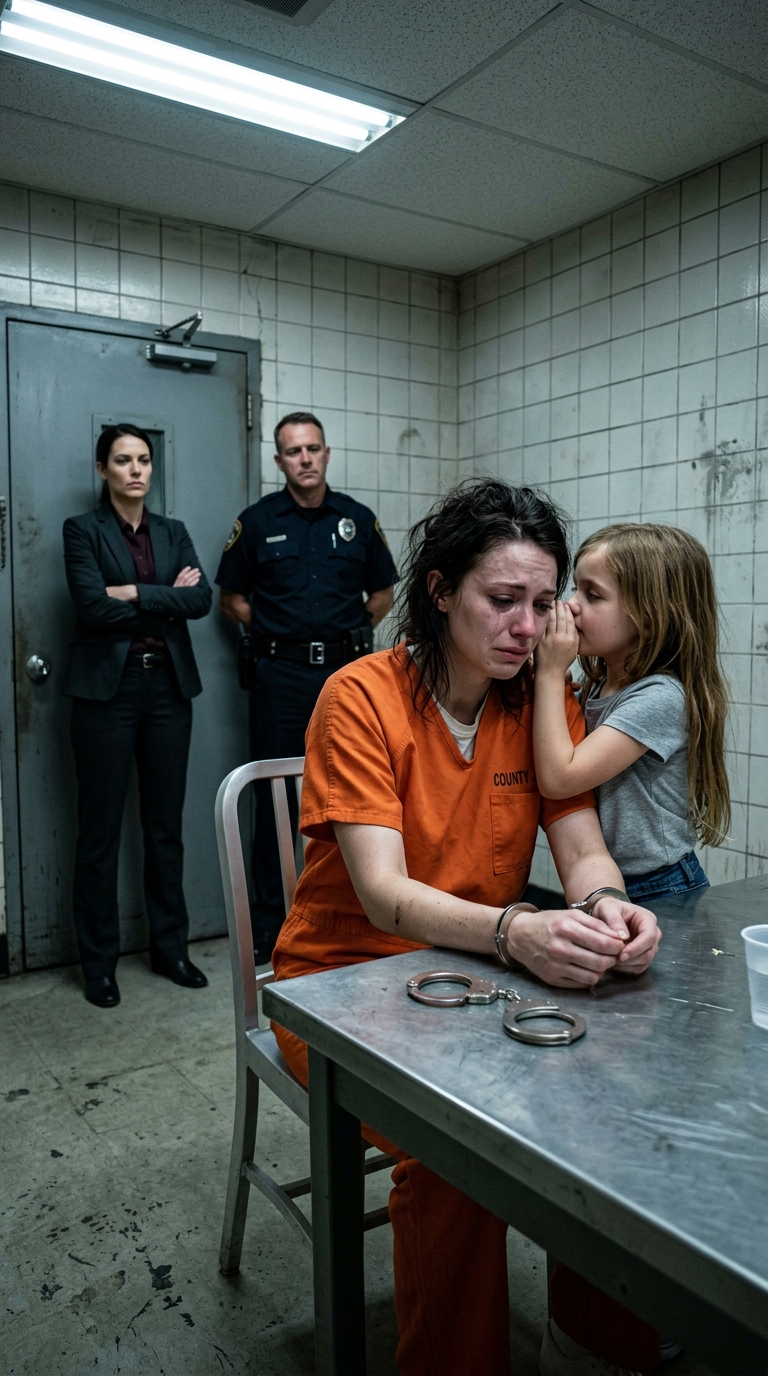
Salomé entered the room slowly, smaller than Ramira remembered, yet somehow stronger in the quiet way time shapes a person. When their eyes met, everything else disappeared—the guards, the social worker, the weight of years—and Ramira dropped to her knees, pulling her daughter into her arms as if she could make up for the lost time all at once.
“I missed you,” she whispered, her voice breaking.
“I missed you too,” the girl replied softly, steady in a way that felt older than her years.
For a moment, they stayed like that, holding each other in silence. Then Salomé leaned closer, her lips brushing her mother’s ear as if the words were too fragile for anyone else to hear.
“It wasn’t you,” she whispered. “I saw who did it.”
Ramira froze.
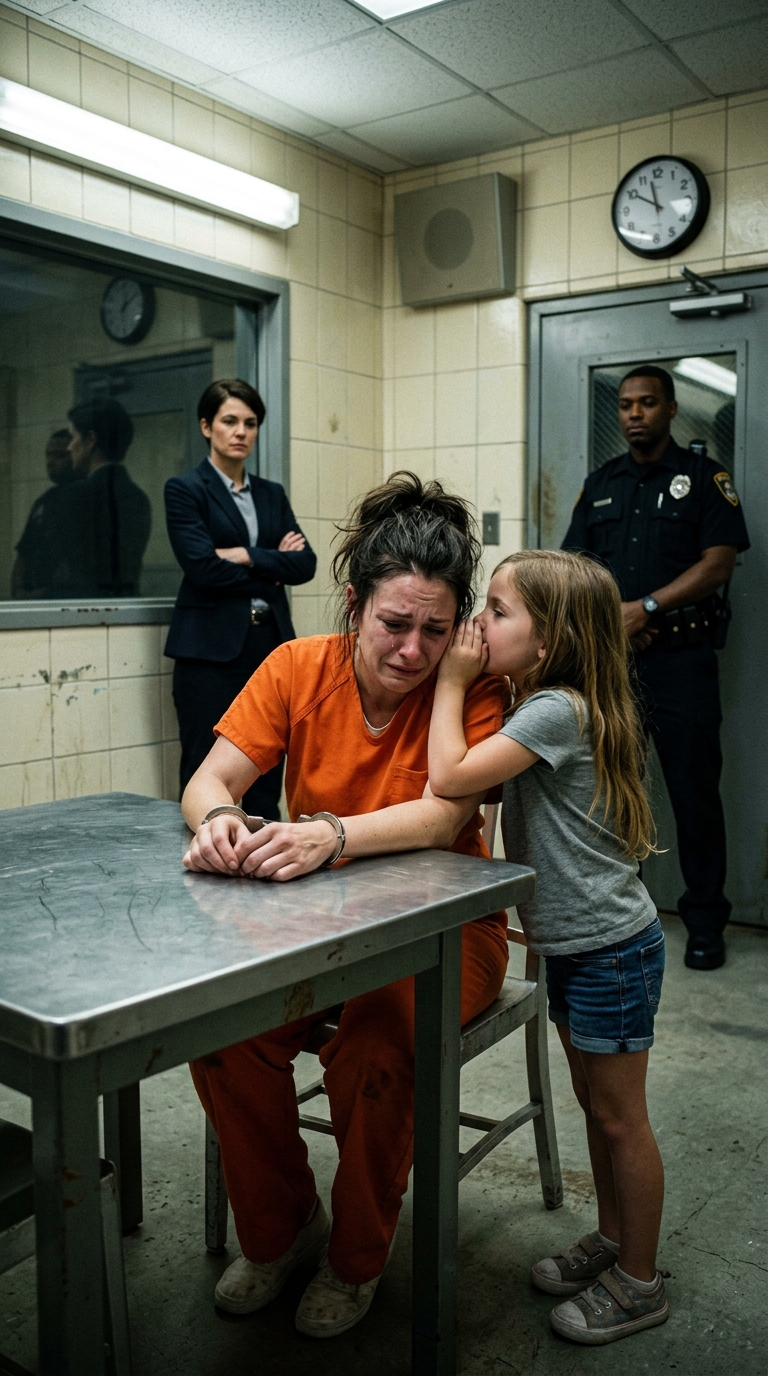
Not because she didn’t understand—but because she had waited so long to hear those words that now they felt almost unreal. Her grip tightened as she pulled back just enough to meet her daughter’s eyes.
“What did you say?” she asked quietly.
Salomé didn’t hesitate.
“I saw the man with the snake watch,” she said. “He came through the back door that night. You weren’t home when he arrived.”
Something inside Ramira broke open—like a door forced wide after years of being sealed shut. She had told that same story again and again—that she had stepped out briefly, that she returned to find the door open and her husband lying on the floor—but no one had listened. The case had already been shaped around her guilt, and everything else had been dismissed as excuses.
“Why didn’t you tell them before?” Ramira asked, her voice shaking now.
Salomé looked down at her hands. “He saw me hiding,” she said. “He told me if I said anything, they would hurt you too. And Aunt Clara said I was imagining things… that it was better to forget.”
The name landed heavily between them.
Clara.
The woman who had taken Salomé in.
The woman who had cried in court, insisting Ramira had always been unstable.
Ramira gently held her daughter’s face. “Listen to me,” she said. “Have you seen that man before?”
Salomé nodded. “Twice. He came to the house before. Dad was scared when he talked to him.”
“Did you hear a name?”
The girl closed her eyes briefly, searching her memory. “He called him Becerra,” she said slowly. “And that night… I heard him say he wasn’t going to sign anything.”
At the doorway, Colonel Méndez went still.
He hadn’t meant to listen.
But he had.
And now he couldn’t ignore it.
“Have you told anyone else?” he asked, stepping into the room, his voice quieter than usual, stripped of authority in a way that surprised even him.
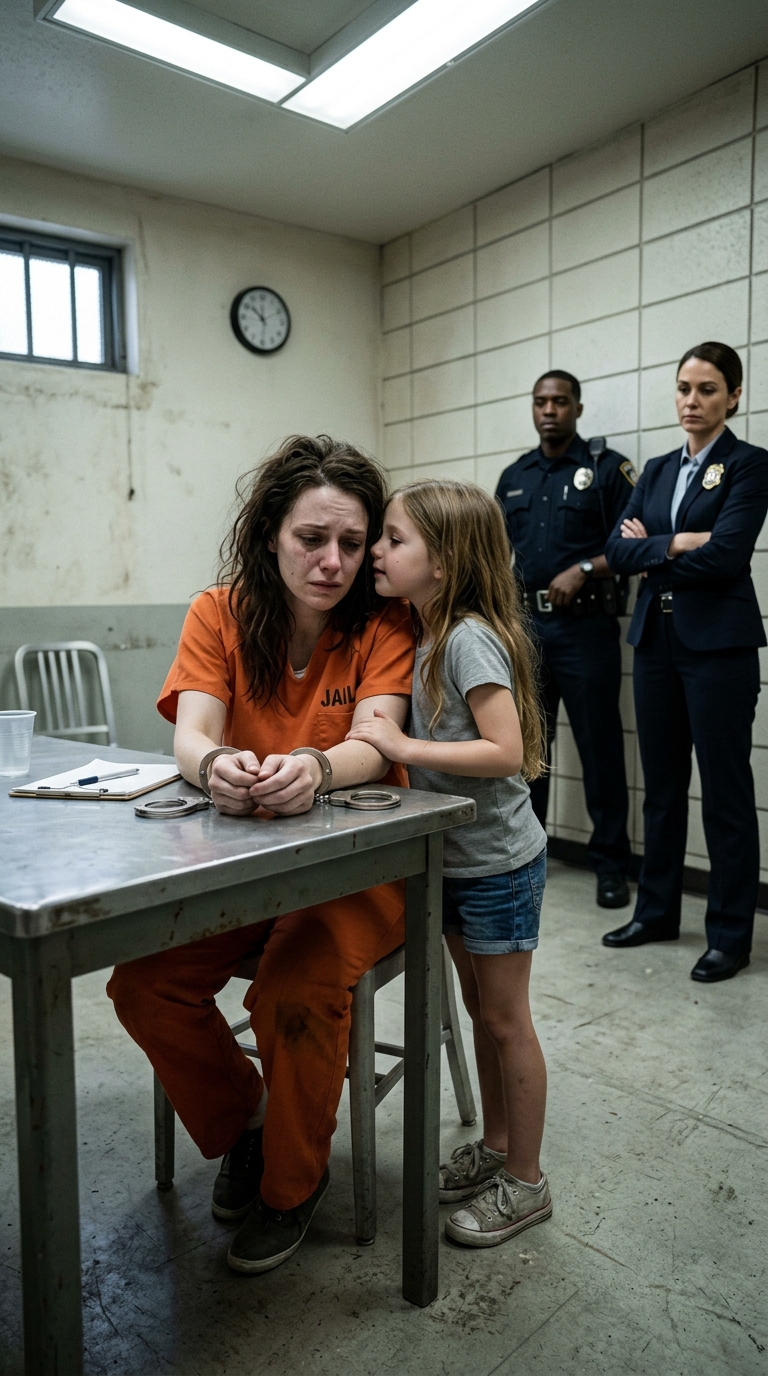
Salomé shook her head. “I told Aunt Clara. She said it wasn’t real.”
Méndez glanced at the social worker, then back at the girl, and something inside him shifted—not suddenly, not dramatically, but enough to crack the certainty he had carried for years.
“No one proceeds with anything,” he said firmly, his voice cutting through the room. “Suspend everything.”
The guard hesitated. “Sir, the sentence—”
“I said suspend it,” Méndez repeated. “Now.”
What followed didn’t feel like chaos.
It felt like something long delayed finally beginning.
Files were reopened.
Reports were reviewed again.
Details once dismissed as minor began to align in ways no one could ignore. The weapon carried Ramira’s fingerprints—but there were traces of another presence that had never been properly examined. Witness statements clashed in ways that had been overlooked. And buried in old psychological reports was a note about a child insisting on a man with a distinctive watch—dismissed back then as confusion.
This time, they listened.
When Salomé was shown a series of photographs, she didn’t hesitate. She pointed immediately, her voice calm and certain.
“That’s him.”
Héctor Becerra.
A lawyer.
A trusted associate.
A man who had stood in court as if he had nothing to hide.
The truth unfolded quickly after that—not because the system suddenly became flawless, but because it could no longer ignore what was right in front of it. Becerra had been involved in financial fraud with Ramira’s husband, and when the man refused to cooperate, the confrontation turned violent. Clara had arrived later and chosen silence in exchange for money, using Ramira’s presence to construct a story that would hold.
Everything had fit together too neatly.
Until now.
Ramira wasn’t released immediately.
There were procedures.
Reviews.
Delays that felt unbearable after five years of waiting.
But something had shifted.
Hope had returned.
Thirty-eight days later, the prison gates opened.
Ramira stepped out slowly—not out of hesitation, but because she no longer needed to rush. The air felt different. The light sharper. The world both familiar and entirely new. For a moment, she stood still, letting it settle around her.
Then Salomé ran.
No hesitation.
No slowing down.
No holding back.
Ramira dropped to her knees as her daughter collided into her arms, holding her tightly, as if refusing to ever let go again. And for the first time in years, the future felt like something that belonged to them both.
“It’s over,” Salomé whispered.
Ramira closed her eyes, resting her forehead gently against hers.
“No,” she said softly. “It’s just beginning.”
Freedom didn’t erase the past.
It didn’t return the years they had lost.
It didn’t undo the nights of fear or the silence that had filled their lives.
But it gave them something else.
A chance to rebuild.
And in the quiet moments that followed, when life no longer felt like something slipping away, Ramira understood what had truly changed everything.
It wasn’t just the truth.
It was that someone finally chose to speak it—before it was too late.
